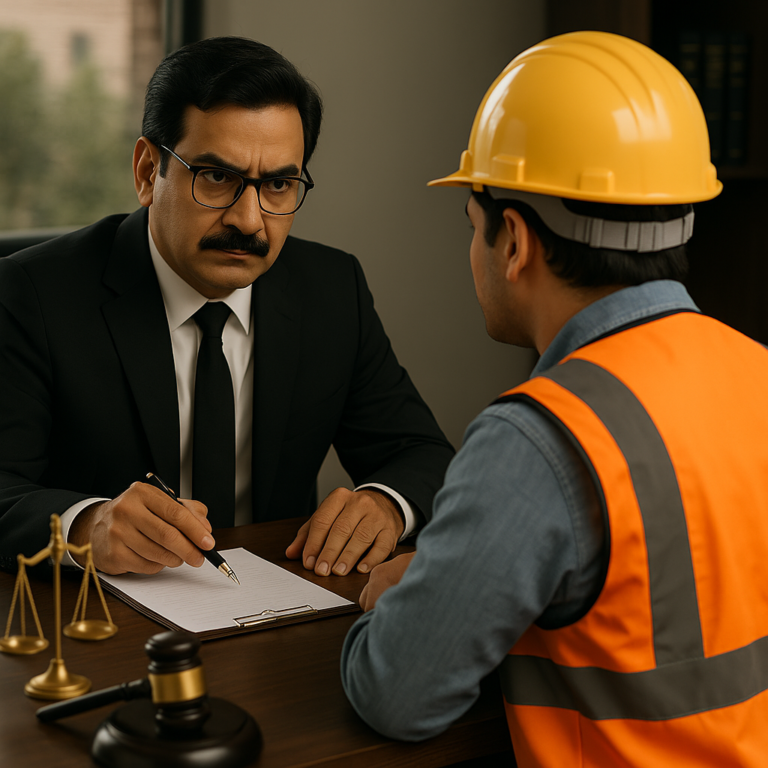

You walk into the site office of a Chandigarh housing project, expecting the usual paperwork. Instead, you find a pile of forms, half-filled registers, and a builder who seems more worried about finishing the sample flat than clarifying legal documents. If you’re a lawyer (or a buyer relying on one), you know that Rera compliance in Chandigarh is supposed to be your safety net. But honestly, most people – lawyers included – miss the small details that end up making the biggest difference when things go wrong.
Rera compliance Chandigarh isn’t just about ticking boxes or uploading forms. It’s about understanding what’s buried in the fine print, knowing why certain documents matter, and catching errors before they snowball into court battles. The stakes are high: a single mistake in registration or missing certificate can stall a project for months, or worse, leave buyers with empty promises and no legal recourse. If you think this is rare, just look at how many Rera cases in Chandigarh fall apart before they even start.
Why does this keep happening? The answer lies in the gap between what the law asks for and what actually gets done on the ground. Many lawyers, even experienced ones, focus so much on big-ticket items – title search, builder reputation, payment schedule – that they forget to check the builder’s compliance checklist line by line. It’s not always carelessness. Sometimes it’s just the pressure to close deals fast, or the assumption that if a project got Rera approval, everything must be in order. That’s not always true.
Most lawyers overlook subtle but critical Rera compliance details in Chandigarh projects, leading to project registration errors, delayed approvals, and major risks for buyers and developers alike.
The Overlooked Details in Chandigarh’s Rera Compliance
Lawyers in Chandigarh often focus on the headline aspects of Rera – project registration, agreement formats, and carpet area disclosures. But the devil is in the details. Missing out on less obvious requirements can derail a project or leave buyers unprotected.
Project registration errors are surprisingly common. Builders sometimes submit incomplete or outdated documents, and lawyers don’t always cross-check them. The Chandigarh Rera Authority is strict, but overloaded, so things slip through. For example, a builder may file an old land ownership certificate, not realising that a recent family settlement changed the title. Or, the project’s sanctioned plan uploaded to the portal may not match the latest version approved by the Municipal Corporation.
Specific Documentation Gaps
- Approved layout plans and building sanction letters are often uploaded without cross-verification against actual site work.
- Environmental clearance certificates, which are mandatory for larger projects, might be missing or outdated.
- The builder’s PAN and GST registration details sometimes don’t match across different submitted forms, creating confusion during inspections.
What Most Lawyers Miss
- Reviewing the sequence of builder documentation for consistency.
- Checking whether the builder’s own compliance checklist matches what’s been filed with Rera.
- Verifying that the project’s land title is clear of encumbrances as of the date of registration, not just a year ago.
These might sound like minor things, but they can make or break a buyer’s case later. I’ve seen buyers lose claims simply because a builder’s agreement referred to an outdated project plan.
What Rera Compliance in Chandigarh Really Involves
Rera compliance in Chandigarh is a legal framework designed to protect buyers and bring transparency to real estate projects. But the process is more detailed than most people realise. It’s not just about getting a Rera registration number.
A project can’t be marketed or sold until it’s registered with the Chandigarh Rera Authority, and all supporting documents are verified.
The Core Components of Rera Compliance
- Project Registration: Every new project must be registered before any advertisement or sale. This includes submitting detailed builder documentation.
- Disclosure of Approvals: Builders must upload all key approvals – land title, building plans, environmental clearances, and more.
- Quarterly Updates: Developers are required to update project status every three months, including construction progress, financial disclosures, and any changes in approvals.
- Agreement Format: The builder-buyer agreement must follow the Rera-prescribed template, with clear mention of carpet area, timelines, and penalties.
Why It’s More Complex in Chandigarh
Chandigarh’s local authorities have their own processes for building plan sanctions, environmental clearances, and occupation certificates. Sometimes these don’t sync perfectly with central Rera requirements. For instance, the Chandigarh Housing Board’s approval process can take longer than the Rera registration timeline, leading to overlaps or gaps in documentation.
Practical Example
Let’s say a builder has all municipal approvals but forgets to update the environmental clearance certificate after a project expansion. The project gets registered, but when buyers file for possession, the missing clearance stalls the occupancy certificate. This delay leads to legal disputes, refund claims, and regulatory penalties.
Common Project Registration Errors and How to Avoid Them
Even meticulous lawyers and developers make mistakes during project registration. These errors can delay approvals, attract penalties, or result in outright rejection of the project by the Rera Authority.
Project registration errors in Chandigarh often stem from mismatched documents, missing NOCs, or technical mistakes during the online application process.
Frequent Documentation Mistakes
- Uploading expired or unsigned copies of key approvals (like fire safety NOCs).
- Attaching a land title certificate that doesn’t match the project’s boundaries.
- Missing out on uploading the builder’s latest PAN or GST certificate.
- Not updating the sanctioned plan after changes in project layout.
Technical and Procedural Errors
- Entering incorrect project start or end dates on the Rera portal.
- Failing to provide the mandatory affidavit of non-encumbrance.
- Skipping the quarterly update requirement, which can trigger a show-cause notice from the Authority.
How to Catch and Prevent These Errors
- Cross-check every document for consistency – names, dates, boundaries, and signatures should match across all files.
- Maintain a physical and digital compliance checklist for each project, ticking off documents as they’re completed.
- Use a second set of eyes – have another lawyer or paralegal review the registration pack before submission.
- Schedule reminders for quarterly updates and keep a log of all submissions.
Real-World Impact
A Chandigarh builder lost six months on a mid-size project because the uploaded building plan omitted one block. The Authority flagged the discrepancy during inspection, leading to a complete re-registration process. Buyers were left in limbo, and the builder paid penalties and lost reputation.
The Role of Legal Due Diligence in Real Estate Projects
Legal due diligence in real estate means more than just scanning the builder’s papers. It’s about digging into every approval, understanding the local regulatory landscape, and anticipating what could go wrong.
Thorough legal due diligence uncovers hidden risks and ensures a project’s Rera compliance in Chandigarh is genuine, not just on paper.
Key Steps in Legal Due Diligence
- Title Verification: Check that the land title is clear, current, and matches the project area.
- Regulatory Approvals: Confirm that every required approval – municipal, environmental, fire, airport authority – is current and valid.
- Builder Background Checks: Review the developer’s past projects, Rera complaint history, and any pending litigation.
- Agreement Review: Scrutinise the builder-buyer agreement for compliance with Rera norms, especially clauses on delivery timelines, penalties, and interest rates.
Common Due Diligence Gaps
- Not tracing the title chain back far enough to spot old disputes.
- Relying on builder-provided documents without independent verification.
- Missing out on checking if the land is under acquisition or has government notifications pending.
Chandigarh-Specific Considerations
Chandigarh has unique land ownership patterns. Many plots are leasehold, not freehold, or are subject to old government notifications. If a lawyer misses these nuances, buyers can end up with property that can’t be mortgaged or resold easily.
Regulatory Oversight and the Role of the Chandigarh Rera Authority
The Chandigarh Rera Authority acts as both a watchdog and a facilitator. But with limited staff and a flood of new projects, their review process sometimes misses things that later become legal headaches.
The Authority checks each project’s documents, but the onus is still on lawyers and buyers to ensure full compliance.
How the Authority Reviews Projects
- Scrutinises all uploaded documents for completeness and authenticity.
- Conducts random site inspections to verify construction matches approved plans.
- Issues show-cause notices if quarterly updates or compliance submissions are missing.
- Can cancel or suspend a project’s registration if serious violations are found.
Where Oversight Falls Short
- Overburdened staff may only sample-check documents, not review everything in depth.
- Some builder documentation is accepted on the basis of self-certification, which can hide irregularities.
- Discrepancies between municipal approvals and Rera submissions sometimes go unnoticed until buyers raise complaints.
Practical Tip
Don’t assume that Rera registration equals a clean bill of health. Always double-check approvals, and don’t hesitate to file an RTI with the Authority for missing or unclear documents. For a deeper look at why Rera cases often fail, see Why Most Rera Cases Collapse Before They Begin in Chandigarh.
Builder Documentation: What Must Be Verified Line by Line
Lawyers often skim through builder documentation, trusting that if the Rera portal accepted it, it must be in order. This is a risky shortcut, especially in Chandigarh where local nuances matter.
Every document submitted for Rera compliance in Chandigarh must be checked for accuracy, consistency, and current validity.
The Critical Documents to Scrutinise
- Land title deed and chain of ownership documents
- Approved building plans and layout drawings
- Environmental, fire, airport authority, and municipal NOCs
- Builder’s PAN, GST, and company registration certificates
- Affidavit of non-encumbrance
- Project’s sanctioned plan and any amendments
- Builder-buyer agreement in Rera format
- Quarterly progress reports and financial disclosures
Red Flags to Watch For
- Title certificates with missing or mismatched survey numbers
- Approvals that are conditional or time-limited (e.g., environmental clearance valid only for two years)
- Builder’s PAN or GST showing a different company name than on the title deed
- Affidavits that are undated or not notarised
Chandigarh-Specific Issues
Many Chandigarh projects are built on land originally allotted by the Chandigarh Administration, sometimes with restrictions on transfer or change of use. If the builder hasn’t complied with these, the entire project can be challenged.
Rera Compliance Checklist for Chandigarh Projects
A proper compliance checklist helps lawyers and buyers avoid the most common pitfalls. It’s not enough to use a generic list – you need one tailored to Chandigarh’s rules and real-world issues.
Following a step-by-step compliance checklist reduces project registration errors and protects all parties in a transaction.
Step-by-Step Rera Compliance Checklist
- Obtain certified copies of all land title and ownership documents.
- Verify municipal and environmental clearances are current and match the project scope.
- Check the builder’s company documents (PAN, GST, registration) for consistency.
- Review approved building plans and ensure they match the actual site layout.
- Scrutinise the builder-buyer agreement for Rera-mandated clauses.
- Confirm that quarterly progress reports and financial disclosures are updated and accurate.
- Ensure all affidavits and declarations are signed, dated, and notarised.
- Cross-check project details on the Chandigarh Rera portal for accuracy.
Table: Common Compliance Gaps vs. Best Practices
| Compliance Gap | Best Practice |
|---|---|
| Outdated title certificate | Get a fresh, certified copy |
| Missing or expired NOC | Reconfirm and renew every approval |
| Builder’s PAN/GST mismatch | Verify with original government site |
| Unapproved layout changes | Submit all amendments to Rera |
| Skipped quarterly update | Schedule and log every submission |
Real-World Scenarios: What Happens When Details Are Missed
It’s easy to think small errors won’t matter, but Chandigarh’s real estate history is full of cases where minor compliance gaps led to major problems.
Missing or incorrect Rera compliance details can lead to project delays, buyer losses, and legal disputes that drag on for years.
Scenario 1: Delayed Possession Due to Missing Environmental Clearance
A mid-sized housing project in Sector 50 got all its municipal approvals but skipped updating its environmental clearance after a small expansion. When buyers moved in, the occupation certificate was withheld for months. The builder blamed the authorities, but the real issue was a missing document in the Rera file.
Scenario 2: Title Dispute From Outdated Builder Documentation
A builder used an old title deed when registering a project. Six months later, a family member contested the title in court, and the Rera Authority suspended the project. Buyers who had already paid advances were stuck, with little legal recourse.
Scenario 3: Rera Dispute Collapses Due to Technical Error
A buyer filed a Rera complaint for delayed possession, only to discover that the builder’s quarterly progress reports hadn’t been uploaded. The Authority dismissed the case, citing lack of evidence. This situation is more common than you might think. For more on handling disputes, see When Builder Promises Fall Short: My Approach to Rera Dispute Resolution.
Best Practices for Lawyers: Avoiding Rera Compliance Pitfalls
Lawyers who want to safeguard their clients need to go beyond the basics. A few extra hours spent now can prevent years of litigation or financial loss.
The best lawyers in Chandigarh follow a strict compliance process, double-check every document, and keep up with changing Rera rules.
Practical Tips for Rera Compliance in Chandigarh
- Always get certified, up-to-date copies of every approval and title document.
- Use a detailed compliance checklist tailored for Chandigarh projects.
- Schedule regular reviews of the builder’s compliance status, especially before major payments or possession.
- File RTIs or make independent inquiries if any document looks suspicious or incomplete.
- Stay updated with Rera Authority circulars and local municipal notifications.
- Don’t rely solely on builder-provided paperwork – verify with the original issuing authorities whenever possible.
Training and Collaboration
Many lawyers in Chandigarh now work with compliance consultants or technical experts to review architectural plans and environmental approvals. This team approach catches errors that a single practitioner might miss.
Frequently Asked Questions
What is Rera compliance in Chandigarh?
Rera compliance in Chandigarh means that a real estate project follows all requirements set by the Real Estate (Regulation and Development) Act, including project registration, document uploads, and regular updates with the Chandigarh Rera Authority. It covers everything from land title verification to quarterly progress reports.
How do I check if a project is Rera registered in Chandigarh?
You can check a project’s Rera registration status by visiting the Chandigarh Rera Authority’s official website. Search using the project name or builder’s details to view the registration number, uploaded documents, and current compliance status.
What are the most common project registration errors in Chandigarh?
The most common errors include uploading outdated or unsigned documents, mismatched land titles, missing NOCs, and skipping quarterly updates. These mistakes can delay project approval or lead to penalties from the Authority.
Why is legal due diligence important in real estate deals?
Legal due diligence helps identify hidden risks like title disputes, missing approvals, or builder defaults. A thorough check ensures the project is genuinely compliant and protects buyers from future legal or financial problems.
What documents should I check for Rera compliance?
You should verify the land title deed, building plan approval, environmental and fire NOCs, builder’s PAN and GST, non-encumbrance affidavit, builder-buyer agreement, and all quarterly updates. Each must be current and consistent with project details.
How often must builders update project status with Chandigarh Rera?
Builders are required to update the project’s construction and financial status every quarter (every three months) on the Rera portal. Missing updates can trigger penalties or show-cause notices.
What happens if a builder submits false documents?
If a builder submits false or misleading documents, the Chandigarh Rera Authority can suspend or cancel the project registration, impose penalties, and initiate legal action. Buyers may also lose legal protection if they relied on incorrect documents.
Can buyers file complaints if Rera compliance is incomplete?
Yes, buyers can file complaints with the Chandigarh Rera Authority if they find compliance gaps or misleading information. However, incomplete documentation may weaken the buyer’s case, so it’s best to check all approvals before filing.
How can a lawyer avoid common Rera compliance mistakes?
Lawyers should use a detailed compliance checklist, cross-verify every document, schedule regular reviews, and consult technical experts for complex approvals. Independent verification with original authorities is recommended.
What’s the penalty for non-compliance with Rera in Chandigarh?
Penalties can include hefty fines, suspension or cancellation of project registration, and even criminal proceedings for willful violations. Buyers may also claim compensation for delays or losses.
Is Rera compliance different in Chandigarh compared to other states?
Yes, Chandigarh has unique rules regarding land ownership, municipal approvals, and project registration timelines. Local nuances can affect how Rera compliance is interpreted and enforced.
How do I verify the authenticity of builder documentation?
You can cross-check documents with original issuing authorities, request certified copies, and review government records. For critical documents like title deeds and approvals, an RTI application can help confirm validity.
What should be included in a Rera compliance checklist for Chandigarh?
A good checklist should cover land title, municipal and environmental approvals, builder’s company documents, approved plans, builder-buyer agreement, quarterly progress reports, and notarised affidavits. Each item must be verified for accuracy and current validity.
Can a project be sold before Rera registration in Chandigarh?
No, it’s illegal to advertise, market, or sell any new real estate project in Chandigarh before it is registered with the Rera Authority. Violations can attract severe penalties and bar the builder from future registrations.
Why do Rera cases often fail in Chandigarh?
Many Rera cases fail because of incomplete or inconsistent documentation, missed quarterly updates, or technical errors in the registration process. Buyers and lawyers often overlook these details, weakening their legal position.
Key Takeaways
- Small compliance gaps often cause big legal problems in Chandigarh projects.
- Project registration errors are common, especially with outdated or mismatched documents.
- Legal due diligence must include title chain, regulatory approvals, and builder background checks.
- Builders must update project status quarterly – missing this invites penalties.
- The Chandigarh Rera Authority reviews documents but doesn’t catch every error.
- Builders’ PAN, GST, and company names must match across all papers.
- Environmental and municipal clearances often expire or become outdated – always check validity.
- A detailed compliance checklist tailored for Chandigarh helps prevent mistakes.
- Lawyers should independently verify all builder documentation, not just rely on portal uploads.
- Buyers are safest when their lawyer uses a step-by-step approach and double-checks every detail.
It’s tempting to trust that a project with a Rera registration number is fully compliant, but experience in Chandigarh shows this isn’t always the case. Builders, buyers, and lawyers all benefit from a slow, careful approach – one that checks every document, every time. Even the best lawyers can overlook a small detail, but those who double-check save their clients years of stress and uncertainty.
Mistakes in Rera compliance don’t just slow down projects. They can lead to lost investments, legal battles, and sleepless nights for everyone involved. If you’re working on a Chandigarh project, don’t rush the paperwork. The details really do matter.